
Afro-Colombian Cultural Events: Festivals and Annual Celebrations in Colombia
Updated: Jun 18
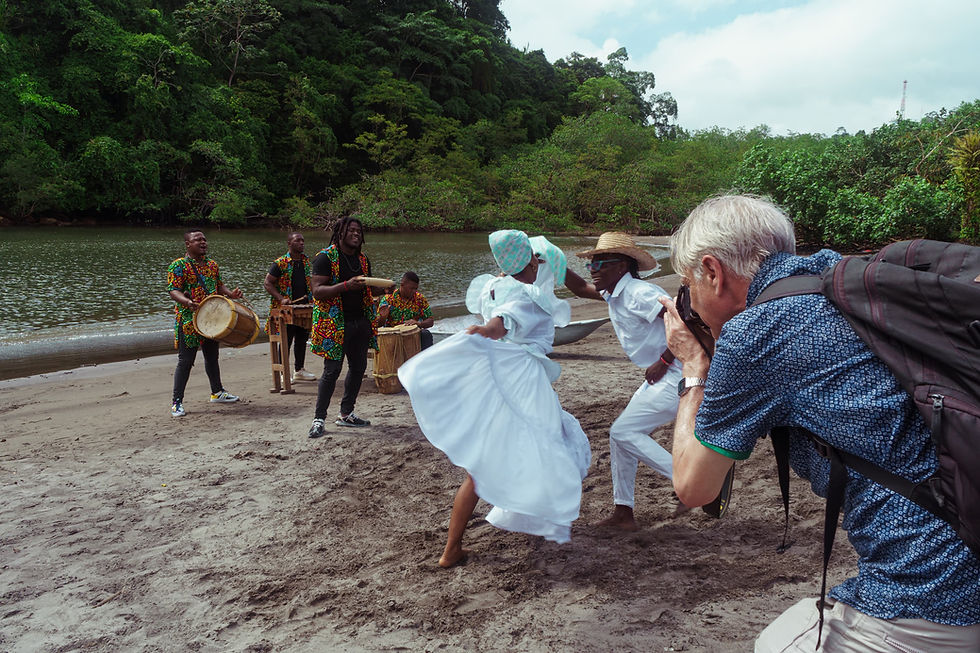
Colombia is home to one of the largest and most diverse Afro-descendant cultural heritages in Latin America. Throughout the year, communities across the Caribbean, the Pacific Coast, and major cities celebrate festivals, carnivals, artistic gatherings, and spaces of collective memory where music, dance, cuisine, and ancestral knowledge keep Afro-Colombian traditions alive.
This guide highlights some of Colombia’s most important Afro cultural festivals, organized by region and category. Whether you are planning a cultural journey, researching Afro-descendant cultures, or looking for opportunities to connect with Afro-Colombian communities, this calendar offers a valuable starting point.

Pacific Coast
Petronio Álvarez Festival
Location: Cali, Valle del CaucaEstimated Dates: August
Description:The largest festival dedicated to the music of Colombia’s Pacific Coast. It celebrates marimba de chonta traditions, ancestral songs, and the Afro-Pacific culinary heritage of southern Colombia.
Website: https://www.instagram.com/petronioco
San Pacho Festival
Location: Quibdó, ChocóEstimated Dates: September – October
Description:An Afro-Chocoano celebration recognized as Intangible Cultural Heritage. It brings together chirimía music, community parades, popular religious traditions, and the collective memory of Afro communities in Chocó.
Website: https://fiestasdesanpacho.com.co
Marimba and Traditional Songs Festival
Location: Guapi / Buenaventura / TumacoEstimated Dates: June – July / September
Description:A gathering dedicated to the marimba de chonta and the ancestral singing traditions of Colombia’s Pacific Coast, featuring direct participation from tradition bearers and master musicians.
Vean Ve!
Location: Guapi, CaucaEstimated Dates: December 22
Description:A community-based festival celebrating marimba music and traditional Pacific songs, with a special focus on the intergenerational transmission of cultural knowledge.
Website: https://www.instagram.com/veanvegp
Caribbean Coast
Barranquilla Carnival
Location: Barranquilla, AtlánticoEstimated Dates: February – March
Description:One of Colombia’s most important cultural celebrations, deeply influenced by Afro-Caribbean traditions. Cumbia, Congo dances, and traditional performances make this carnival a landmark event.
National Porro Festival
Location: San Pelayo, CórdobaEstimated Dates: June – July
Description:One of the most important musical gatherings in Colombia’s Caribbean region. The festival celebrates porro, an iconic musical genre of Córdoba and Sucre, through traditional brass bands, parades, competitions, and cultural activities that highlight the region’s Afro, Indigenous, and rural heritage.
Website: https://festivalnacionaldelporro.com
National Gaita Festival
Location: Ovejas, SucreEstimated Dates: October
Description:A festival dedicated to preserving and promoting the gaita and drum traditions of Colombia’s Caribbean Coast. It brings together traditional groups, cultural knowledge keepers, and younger generations around one of the region’s most representative musical expressions.
National Bullerengue Festival
Location: Puerto Escondido, CórdobaEstimated Dates: June
Description:A celebration of bullerengue, one of the most emblematic musical and dance traditions of Afro-descendant communities in the Colombian Caribbean. Singers, drummers, and tradition bearers gather to strengthen the transmission of ancestral knowledge and Afro-Caribbean cultural heritage.
Green Moon Festival
Location: San Andrés IslandEstimated Dates: September
Description:An Afro-Caribbean festival celebrating Raizal identity through music, dance, and the cultural traditions of Colombia’s insular Caribbean.
Cumbia Fest
Location: San Jacinto, BolívarEstimated Dates: January
Description:A festival dedicated to cumbia in the region where the genre was born, highlighting traditional music, collective memory, and gaita traditions.
Cities and the Afro Diaspora
Blacks and Whites Carnival
Location: Pasto, NariñoEstimated Dates: January
Description:A heritage carnival celebrating Colombia’s cultural diversity, rooted in Afro, Indigenous, and mestizo traditions.
Negro Fest
Location: Bogotá / MedellínEstimated Dates: May / September
Description:An urban Afro culture festival that brings together music, entrepreneurship, gastronomy, and artistic expressions from the African diaspora.Website: https://www.instagram.com/negrofestco
Gracias África
Location: BogotáEstimated Dates: January
Description:A cultural gathering celebrating African and Afro-descendant heritage through music, dance, and community connection.
Afro and Afro-descendant Film Festivals in Colombia
Afro Film Showcase – Bogotá Cinematheque
Location: Bogotá D.C.Estimated Dates: May
Description:An annual showcase of Afro, Raizal, and African diaspora cinema, focusing on identity, memory, and representation.
Afro Kunta Kinte International Community Film Festival
Location: Various citiesEstimated Dates: October
Description:A community-based Afro film festival that promotes storytelling rooted in Afro-descendant territories and communities.
Quibdó Africa Film Festival (QAFF)
Location: Quibdó, ChocóEstimated Dates: September
Description:A film festival dedicated to African and Afro-descendant cinema with a strong focus on community engagement, education, and local impact.
Afro Literature, Thought, and Oral Traditions
FLECHO – Chocó Reading and Writing Festival
Location: Chocó (travelling festival)Estimated Dates: August
Description:An Afro-centered gathering that promotes reading, oral traditions, writing, and critical thinking through the voices and perspectives of Chocó’s communities.
Website: https://www.instagram.com/flecho.co
Stay Connected with Colombia’s Afro Cultural Calendar
We regularly update this guide with new festivals, community gatherings, film showcases, cultural experiences, and Afro-descendant events across Colombia.
Know of an event that should be included? Get in touch with us.
And if you would like to experience these traditions in the territories where they were born, explore Marimbea’s cultural immersion experiences.
Comments